History of Mallorca: The Essential Guide to 3000 Years of Island Civilization
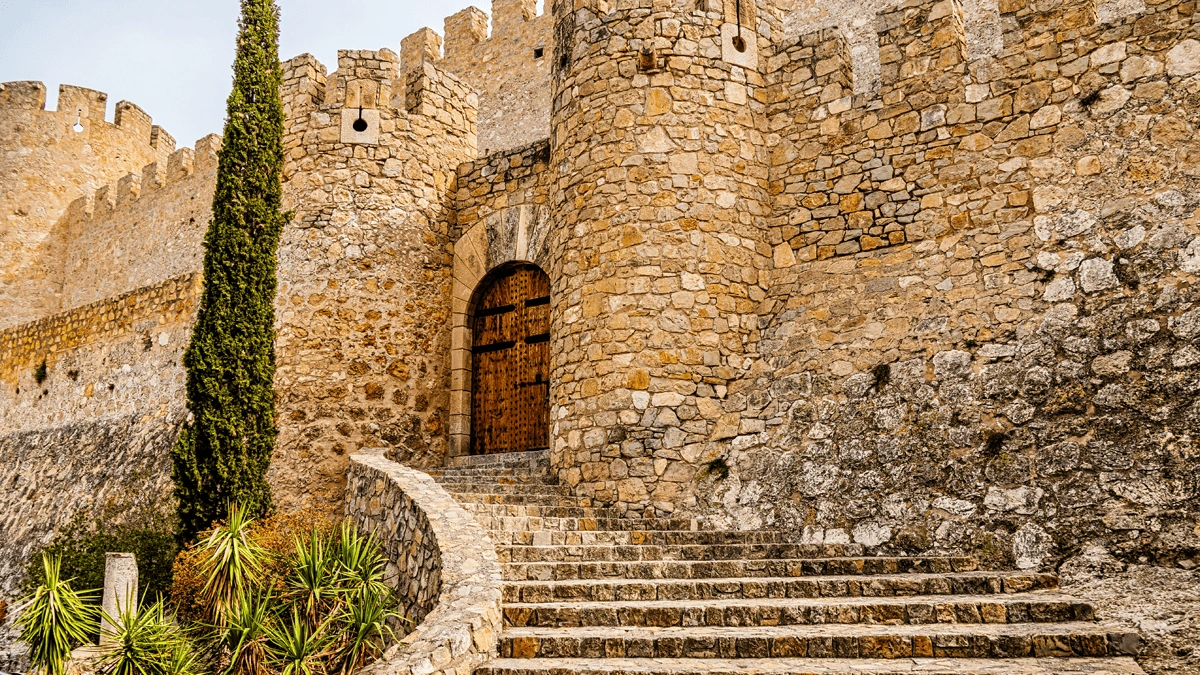
Bellver Castle Gothic circular fortress above Palma
The history of Mallorca spans more than three thousand years — from prehistoric settlements and Roman conquest to Moorish rule, medieval Christian reconquest, and the island's transformation into one of Europe's most visited destinations. This is a history of extraordinary richness, written in the landscapes, buildings, and culture that visitors encounter at every turn.
This essential guide covers the key periods of Mallorca's history — the civilisations that shaped the island, the monuments they left behind, and the stories that make Mallorca one of the most historically layered places in the Mediterranean.
History of Mallorca — Prehistoric Period
The history of Mallorca begins around 3000 BCE, when the island was first settled by humans arriving from the Iberian Peninsula. The most distinctive legacy of this prehistoric period is the Talaiotic culture — named after the taulas and talaiots, stone towers and monuments built between 1300 and 800 BCE.
These megalithic structures are found throughout the island, and several are remarkably well preserved. According to Wikipedia's entry on Mallorca, the Talaiotic settlements represent one of the most significant prehistoric cultures in the western Mediterranean. The site of Ses Paisses near Artà is among the best preserved.
Roman Mallorca (123 BCE – 5th Century CE)
History of Mallorca entered a new phase in 123 BCE, when the Roman general Quintus Caecilius Metellus conquered the Balearic Islands. The Romans founded two major cities: Pollentia (near modern Alcúdia) and Palmaria (Palma). Pollentia became one of the most significant Roman cities in the western Mediterranean, and extensive excavations there have revealed temples, forums, theatres, and domestic architecture.
The Roman period brought olive cultivation, viticulture, and urban planning that shaped the island's landscape for centuries. Roman roads, many still followed by modern paths, connected the island's settlements.
Moorish Mallorca (902 – 1229 CE)
The Moorish period — from 902 CE to the Christian reconquest of 1229 — represents one of the most significant chapters in the history of Mallorca. Arab culture transformed the island: the irrigation systems of the Tramuntana mountains, the terraced agricultural landscapes, many place names, and elements of Mallorcan cuisine all trace their roots to this period.
The Arab fortifications of the Almudaina (the royal palace in Palma) and the gardens of the Hort del Rei were created during this period. The Arab Baths in Palma's old town — one of the best preserved Moorish structures in Spain — date from the 10th century.
The Christian Reconquest and the Kingdom of Mallorca (1229 – 1349)
The most dramatic moment in the history of Mallorca is the conquest of 1229 by James I of Aragon. After a siege of Medina Mayurqa (Palma), the city fell on 31 December 1229 — a date still commemorated as the Standard of the Conquest. James I vowed to build a great cathedral, and construction of La Seu began immediately on the site of the main mosque.
A brief period followed when Mallorca was an independent kingdom — the Kingdom of Mallorca — under James II and James III. This period saw the construction of the Bellver Castle and the expansion of Palma's Gothic architecture. The kingdom ended in 1349 when James III was defeated and killed by Peter IV of Aragon at the Battle of Llucmajor.
💡 Bellver Castle — built between 1300 and 1311 — is one of the only circular Gothic castles in the world. It stands on a hill above Palma and offers panoramic views of the bay. Well worth visiting for both its architecture and its history.
Modern History of Mallorca
The history of Mallorca in the 20th century was defined by the Spanish Civil War (1936–1939) — the island was held by Nationalist forces throughout — and the subsequent transformation brought by mass tourism from the 1960s onwards. The development of the tourist industry fundamentally changed the island's economy and landscape, though much of the interior and the Serra de Tramuntana remain as they have been for centuries.
Today Mallorca receives over 13 million visitors annually, while maintaining a strong sense of Mallorcan identity and culture. The island's cuisine, language (Mallorquín, a dialect of Catalan), and traditional festivals all remain vibrant — as any visit to Mercat de l'Olivar on a weekday morning will confirm.
Frequently Asked Questions
The Romans founded Palmaria around 123 BCE. The modern city takes its shape from the medieval period following the Christian reconquest of 1229.
Both Catalan (specifically Mallorquín, the local dialect) and Spanish are official languages. Most locals speak both, and English, German, and French are widely understood in tourist areas.
La Seu Cathedral is the island's defining monument. Bellver Castle and the Arab Baths are also essential visits for anyone interested in the history of Mallorca.
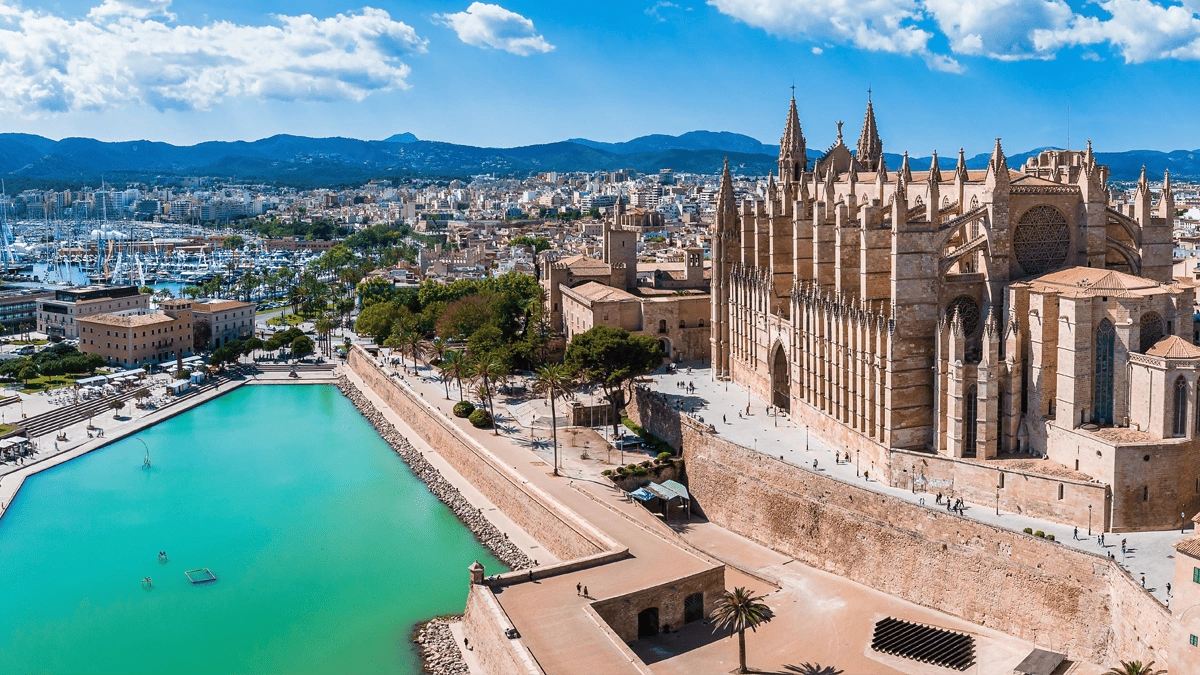
historic city centre with cathedral and old town
Visit Olivar Bistro at Mercat de l'Olivar — fresh Mediterranean cuisine in the heart of Palma. Also try Maka Istanbul for authentic Turkish food in Palma.